

In many parts of the world, education still depends heavily on a fast, stable internet connection. But what happens when students live in areas where connectivity is poor, expensive, or entirely absent? This was the question that inspired our Firestick Pilot Program in rural Indonesia—and the answers we found have reshaped how we think about digital education.
Indonesia, with its vast archipelago of over 17,000 islands, presents a unique connectivity challenge. While mobile coverage has improved in urban centers, many remote and rural areas remain digitally isolated. In 2024, Firestick Design & Data partnered with local educators and NGOs in Central Sulawesi to deploy a prototype of our offline-first content delivery system. The goal: to provide access to educational materials for schools with little to no internet access.
Using our patented Android-native app, combined with portable edge servers, we created a closed-loop system that allowed students and teachers to access videos, interactive lessons, textbooks, and exams—without needing to connect to the wider internet. The platform was lightweight, multilingual, and adaptable to local curricula.
The results were profound. Not only did student engagement increase, but teachers also reported feeling more empowered. They could teach using modern tools without relying on fragile mobile data plans or outdated textbooks. The system even supported content sharing between schools via SD cards and Bluetooth, creating an organic, peer-to-peer learning ecosystem.
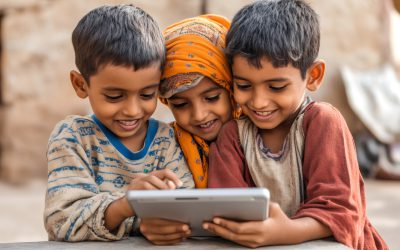
One major takeaway was the importance of designing for reality, not assumptions. We learned that local content matters more than flashy features. That devices are often shared among siblings. That a simple, resilient interface often beats a sophisticated but fragile one. And perhaps most importantly: you don’t need the internet to deliver a digital education—just the right tools.
This pilot reaffirmed our belief that education shouldn’t be limited by geography or infrastructure. With the right delivery systems, we can bring high-quality, culturally relevant learning materials to students anywhere—beyond the web.
As we scale this model across Southeast Asia and other underserved regions, the lessons from Indonesia continue to guide us. Real inclusion means meeting people where they are, and building tools that truly work—in the classroom, in the village, and in the hands of the learner.